Regional tourism board Alentejo, Portugal
Visit Alentejo
Southern Portugal's rural heartland, from cork forests and wine estates to the Atlantic coast

Profile
Visit Alentejo is the official tourism brand of the Alentejo, the broad region of southern Portugal between the Tagus and the Algarve. Run by Turismo do Alentejo and the Alentejo Promotion Office, it markets the region abroad and at home, presenting walled hill towns, two UNESCO World Heritage cities, a long-established wine culture and a largely unspoilt Atlantic coastline.
The Alentejo covers roughly a third of mainland Portugal, stretching from the Tagus to the Algarve and from the Spanish border to the Atlantic. It is a rural, thinly populated land of wheat fields, olive groves and montado, the open forests of cork and holm oak that shape much of the landscape. Cork oaks are protected by law, and their bark is stripped by hand only once every nine years.
Wine sits at the centre of the region's story. Vines were grown here before the Romans arrived, and more than 250 producers now work across the Alentejo. Many still make Vinho de Talha, fermented in large clay amphorae, alongside wines from local grapes such as Antão Vaz, Arinto, Roupeiro, Alicante Bouschet, Aragonez and Trincadeira. The table follows the same rural logic, with dishes such as açorda, migas and carne de porco à alentejana, Barrancos ham and the cheeses of Serpa and Nisa.
Heritage is spread across the map. Évora's historic centre, with its Roman temple, cathedral and sixteenth-century university, and the garrison town of Elvas, ringed by seventeenth-century star-shaped fortifications and served by the Amoreira aqueduct, are both inscribed on the UNESCO World Heritage List. Smaller places such as Marvão, Monsaraz and Mértola keep castles and white-walled streets above the plains and rivers.
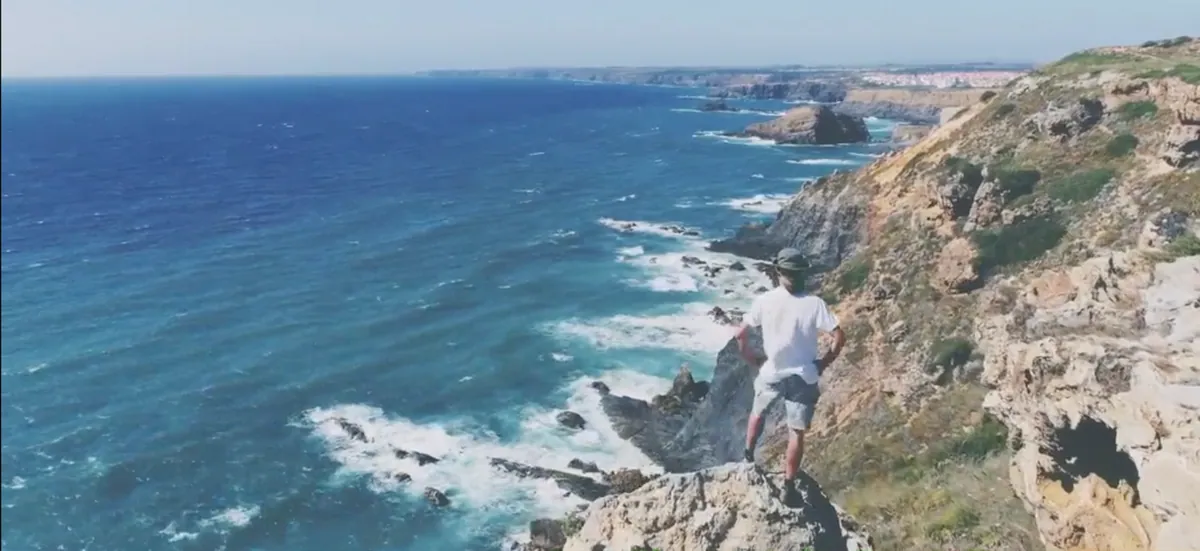
The board also promotes the region as a destination for slow, outdoor travel. Long-distance routes include the TransAlentejo, the Ways of St James and the Rota Vicentina, which follows the cliffs and coves of the Atlantic coast. Visit Alentejo works with the travel trade in Portugal and abroad, publishing guides, brochures and a media kit for operators and journalists.
In detail
What sets it apart
-
Wine and amphorae
With more than 250 producers and vineyards older than Roman settlement, the region promotes wine tourism around its estates and its revival of Vinho de Talha, wine made in large clay pots as it has been for centuries.
-
Two World Heritage cities
Évora's walled historic centre and the frontier town of Elvas, with its star-shaped bastions and seven-kilometre Amoreira aqueduct, are both UNESCO World Heritage Sites and anchor the region's cultural itineraries.
-
Montado landscapes
The cork and holm oak montado defines the Alentejo interior, a working landscape of grazing land, protected trees and slow harvests that the board presents as central to the region's identity and sustainability.
-
Walking the Alentejo
Waymarked routes including the TransAlentejo, the Ways of St James and the coastal Rota Vicentina let visitors cross the region on foot, from inland villages and plains to the clifftops above the Atlantic.
Gallery
In pictures
Visit
Visit Alentejo
Alentejo Promotion Office, Rua Manuel Batista Reis, N.º 6 - R/C, 7570-284 Grândola, Portugal visitalentejo.ptLink copied
Images courtesy of Visit Alentejo